


WRN (Werner syndrome helicase) is an enzyme required for DNA replication and repair. Multiple groups have shown that tumors with microsatellite instability (MSI) are dependent on WRN helicase activity for survival. MSI is a phenotypic consequence of defective mismatch repair (dMMR) and occurs in various tumor types, with higher prevalence in colorectal, gastric, and endometrial cancers. WRN helicase inhibition represents a validated synthetic lethal approach to target tumors with high levels of microsatellite instability (MSI-H).
We are currently conducting a multicenter, open-label Phase 1/2 trial (NCT06898450) with NDI-219216 in patients with advanced solid tumors. NDI-219216 is a highly potent and selective non-covalent investigational inhibitor of WRN helicase. Preclinical data show NDI-219216 triggers a DNA damage response in MSI-H tumor cells that suppresses cell viability and promotes cancer cell death. NDI-219216 achieves robust anti-tumor activity across multiple MSI-H xenograft models, with significant tumor regression and complete responses observed at low oral doses in models refractory to immunotherapy and chemotherapy. The non-covalent mechanism of NDI-219216 may offer more durable on-target activity and a potentially wider therapeutic window compared to covalent approaches.
PUBLICATIONS
Werner syndrome helicase is a selective vulnerability of MSI-high tumor cells (eLife 2019)
Werner helicase is a synthetic-lethal vulnerability in mismatch repair–deficient colorectal cancer refractory to targeted therapies, chemotherapy, and immunotherapy (Cancer Discov 2021)
Repeat expansions confer WRN dependence in microsatellite-unstable cancers (Nature 2020)
WRN is required for the survival of cancer cells with MSI (iScience 2019)
WRN helicase is a synthetic lethal target in microsatellite unstable cancers (Nature 2019)
Prioritization of cancer therapeutic targets using CRISPR-Cas9 screens (Nature 2019)
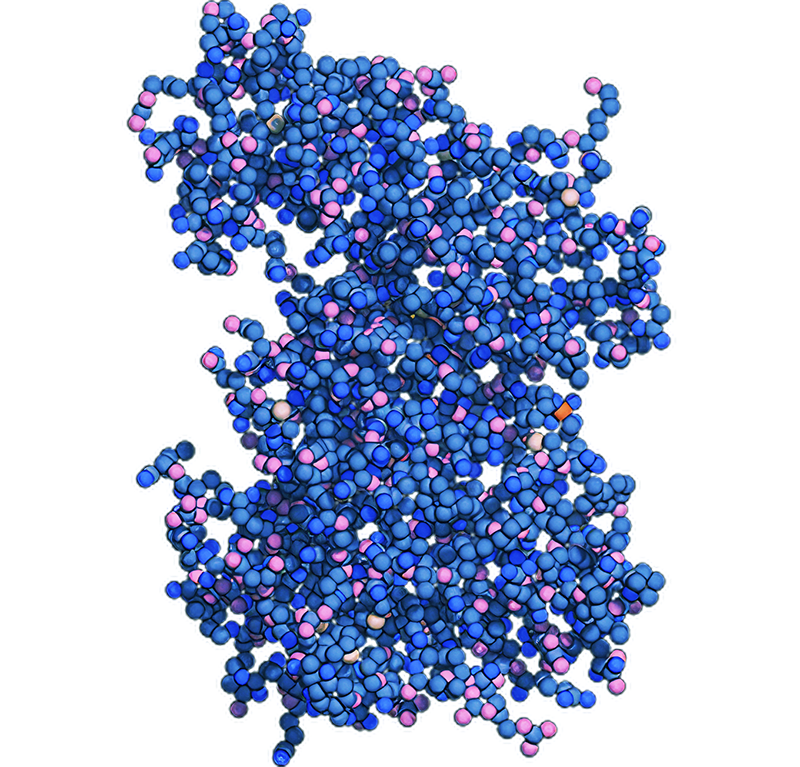
SIK2: a potential master node of immune balance
Salt-inducible kinases (SIKs) comprise three closely related isoforms (SIK1, SIK2, and SIK3). Among these, preclinical data indicate that SIK2 acts as a key regulator in innate immune cells, such as macrophages, functioning as a switch between amplifying and resolving inflammation.
In preclinical models, inhibition of SIK2 suppresses a broad set of inflammatory drivers, including TNFα, IL-6, IL-23, and IL-1β (many of which are validated targets of approved biologics for inflammatory diseases), while increasing IL-10 and activating tissue-repair programs. Therefore, SIK2 inhibition has the potential to modulate multiple inflammatory pathways and promote tissue repair through a single oral mechanism.
Designing for SIK2 selectivity
Isoform selectivity is central to this approach. SIK1 inhibition has been associated with cardiovascular risk, and SIK3 loss of function has been reported to result in skeletal and fertility-related defects. In our preclinical studies, SIK3 inhibition elevated IL-23 and IL-12, cytokines that are key drivers of inflammatory disease, without elevating IL-10. These findings suggest that selectively targeting SIK2 over SIK1 and SIK3 may offer a more favorable therapeutic profile in inflammatory disease.
Using its proprietary high-resolution crystal structures of SIK2, Nimbus applied structure-based drug design to address the potency, selectivity, and drug-like properties required to effectively drug this target. Our investigational inhibitors have demonstrated nanomolar cellular potency and greater than 300-fold selectivity over SIK1 and SIK3 in preclinical assays, a profile designed to avoid potential liabilities associated with inhibiting those isoforms.
Advancing in the clinic
In preclinical studies, selective SIK2 inhibition demonstrated anti-inflammatory and pro-resolution activity across primary human immune cells, whole blood, patient-derived tissue, and multiple disease models, with improvements observed in gut barrier integrity and markers of tissue healing. This biology is relevant across multiple immunology and inflammation indications, where unchecked inflammation and loss of tissue integrity are thought to drive disease in gastroenterology, rheumatology, and dermatology.
Our highly selective SIK2 inhibitor, NDI-225673, is now being evaluated in a Phase 1 study in healthy volunteers. The study is designed to assess safety, tolerability, pharmacokinetics, and pharmacodynamics.
PUBLICATIONS
Nuts and bolts of the SIKs (Biochemical J 2021)
The SIKs: Emerging metabolic regulators (TEM 2018)
Development of chemical probes for investigation of SIK function in vivo (ACS Chem Biol 2016)

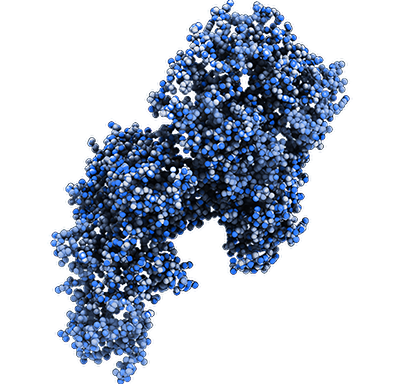
AMPK (AMP-activated protein kinase) is a kinase that serves as a critical regulator of energy-sensing and metabolic homeostasis in many tissues. Activation of AMPK in the body has broad impact across liver, skeletal muscle, kidney, and other tissues. Small molecule activation of AMPK has long been recognized as a potential strategy to treat metabolic disorders.
AMPK is a heterotrimer comprised of α, β and γ subunits; two β isoforms exist. We are using structural biology combined with computational chemistry approaches to identify isoform-selective, small molecule activators of AMPK heterotrimers. Isoform-selective activators of AMPK have the potential to modulate cellular energetics and metabolic homeostasis in different tissues to treat metabolic disorders, such as diabetes, diabetic nephropathy, and metabolic dysfunction-associated steatohepatitis (MASH). In 2022, Nimbus and Eli Lilly and Company entered into a research collaboration and exclusive worldwide license agreement for the development and commercialization of novel targeted therapies that activate a specific isoform of AMPK for the treatment of metabolic diseases. Nimbus is responsible for research activities and Lilly will be responsible for development and commercialization activities worldwide. Learn more >
PUBLICATIONS
Genetic liver-specific AMPK activation protects against diet-induced obesity and NAFLD
(Cell Rep 2019)
AMP-activated protein kinase: the current landscape for drug development
(Nat Rev Drug Discov 2019)

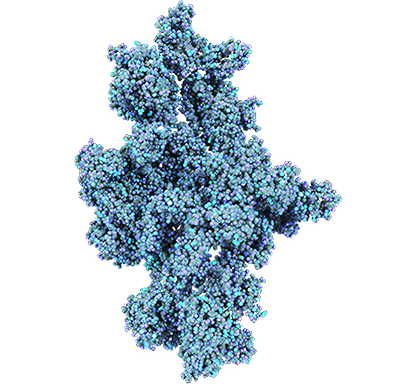
ACC (acetyl-CoA carboxylase) is an enzyme involved in de novo lipogenesis (the synthesis of endogenous fatty acids) and the regulation of beta-oxidation (the process by which fatty acids are broken down at a cellular level). Nimbus developed ACC inhibitors, including NDI-010976, a potent, liver-targeted allosteric inhibitor for the treatment of metabolic dysfunction-associated steatohepatitis (MASH) and potentially hepatocellular carcinoma and other diseases. In 2016, Gilead acquired our ACC inhibitor program and is currently conducting Phase 2 studies for the treatment of MASH.
FOMERLY NDI-034858 (Immunology)

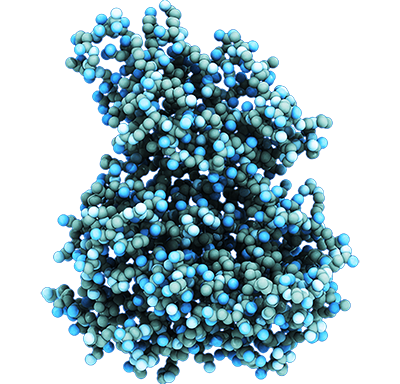
TYK2 (tyrosine kinase 2) is an important signal-transducing kinase implicated in immune-mediated diseases. We discovered and developed highly selective allosteric TYK2 inhibitors, including NDI-034858, which we evaluated in Phase 2 studies in moderate-to-severe psoriasis and psoriatic arthritis. Both preclinical and clinical data demonstrate the molecule’s best-in-class potential. In 2023, Takeda acquired our TYK2 program and is currently conducting multiple Phase 2/3 studies.
PATIENTS
ENROLLING
PHASE 1/2 CLINICAL TRIAL EVALUATING NDI-219216 IN PATIENTS
WITH ADVANCED SOLID TUMORS
In this trial we are evaluating the safety, tolerability, and preliminary anti-tumor activity of our WRN inhibitor, NDI-219216.
EXPANDED ACCESS STATEMENT
Expanded access, or compassionate use, is the use of an investigational medicine prior to regulatory approval and outside of a clinical trial. Nimbus does not currently have an expanded access program for any of our investigational products. We encourage people to speak with their physician about options that may be right for them including ongoing clinical trials and approved medicines.