


WRN (Werner syndrome helicase) is an enzyme required for DNA replication and repair. Multiple groups have shown that tumors with microsatellite instability (MSI) are dependent on WRN helicase activity for survival. MSI is a phenotypic consequence of defective mismatch repair (dMMR) and occurs in various tumor types, with higher prevalence in colorectal, gastric, and endometrial cancers. WRN helicase inhibition represents a validated synthetic lethal approach to target tumors with high levels of microsatellite instability (MSI-H).
We are currently conducting a multicenter, open-label Phase 1/2 trial (NCT06898450) with NDI-219216 in patients with advanced solid tumors. NDI-219216 is a highly potent and selective non-covalent investigational inhibitor of WRN helicase. Preclinical data show NDI-219216 triggers a DNA damage response in MSI-H tumor cells that suppresses cell viability and promotes cancer cell death. NDI-219216 achieves robust anti-tumor activity across multiple MSI-H xenograft models, with significant tumor regression and complete responses observed at low oral doses in models refractory to immunotherapy and chemotherapy. The non-covalent mechanism of NDI-219216 may offer more durable on-target activity and a potentially wider therapeutic window compared to covalent approaches.
PUBLICATIONS
Werner syndrome helicase is a selective vulnerability of MSI-high tumor cells (eLife 2019)
Werner helicase is a synthetic-lethal vulnerability in mismatch repair–deficient colorectal cancer refractory to targeted therapies, chemotherapy, and immunotherapy (Cancer Discov 2021)
Repeat expansions confer WRN dependence in microsatellite-unstable cancers (Nature 2020)
WRN is required for the survival of cancer cells with MSI (iScience 2019)
WRN helicase is a synthetic lethal target in microsatellite unstable cancers (Nature 2019)
Prioritization of cancer therapeutic targets using CRISPR-Cas9 screens (Nature 2019)
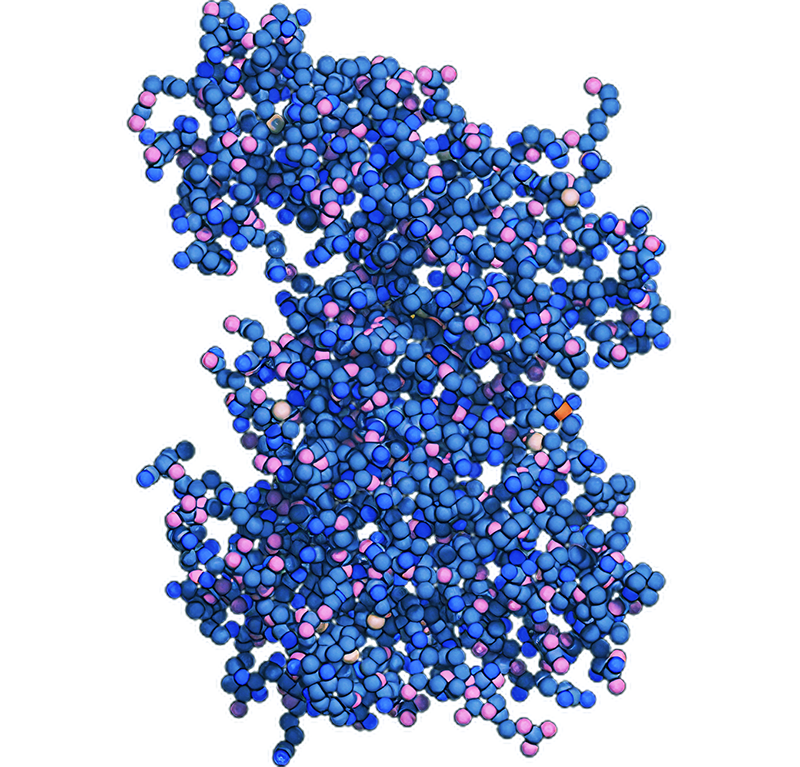
The family of SIKs (salt-inducible kinases) are involved in regulation of transcriptional programs that activate pathological processes such as pro-inflammatory signals and inhibit repair mechanisms. SIK inhibitors are thus expected to correct these imbalances by interrupting pathological pathways and permitting repair.
SIK inhibitors offer potential differentiation from current treatments by attenuating tissue destruction and promoting the resolution of pathology. The biological roles of the SIKs are complex. We are designing SIK inhibitors with precise selectivity profiles and characterizing their pharmacology to target specific disease states.
PUBLICATIONS
Nuts and bolts of the SIKs (Biochemical J 2021)
The SIKs: Emerging metabolic regulators (TEM 2018)
Development of chemical probes for investigation of SIK function in vivo (ACS Chem Biol 2016)
COLLABORATIONS
![Lilly logo (collaboration: AMPK activator [metabolic disorders])](https://www.nimbustx.com/wp-content/uploads/Lilly-Logo_white.png)
AMPK (AMP-activated protein kinase) is a kinase that serves as a critical regulator of energy-sensing and metabolic homeostasis in many tissues. Activation of AMPK in the body has broad impact across liver, skeletal muscle, kidney, and other tissues. Small molecule activation of AMPK has long been recognized as a potential strategy to treat metabolic disorders.
AMPK is a heterotrimer comprised of α, β and γ subunits; two β isoforms exist. We are using structural biology combined with computational chemistry approaches to identify isoform-selective, small molecule activators of AMPK heterotrimers. Isoform-selective activators of AMPK have the potential to modulate cellular energetics and metabolic homeostasis in different tissues to treat metabolic disorders, such as diabetes, diabetic nephropathy, and metabolic dysfunction-associated steatohepatitis (MASH). In 2022, Nimbus and Eli Lilly and Company entered into a research collaboration and exclusive worldwide license agreement for the development and commercialization of novel targeted therapies that activate a specific isoform of AMPK for the treatment of metabolic diseases. Nimbus is responsible for research activities and Lilly will be responsible for development and commercialization activities worldwide. Learn more >
PUBLICATIONS
Genetic liver-specific AMPK activation protects against diet-induced obesity and NAFLD
(Cell Rep 2019)
AMP-activated protein kinase: the current landscape for drug development
(Nat Rev Drug Discov 2019)
![Gilead logo (acquired ACC program [MASH, other liver diseases])](https://www.nimbustx.com/wp-content/uploads/Gilead-Logo_white.svg)
ACC (acetyl-CoA carboxylase) is an enzyme involved in de novo lipogenesis (the synthesis of endogenous fatty acids) and the regulation of beta-oxidation (the process by which fatty acids are broken down at a cellular level). Nimbus developed ACC inhibitors, including NDI-010976, a potent, liver-targeted allosteric inhibitor for the treatment of metabolic dysfunction-associated steatohepatitis (MASH) and potentially hepatocellular carcinoma and other diseases. In 2016, Gilead acquired our ACC inhibitor program and is currently conducting Phase 2 studies for the treatment of MASH.
FOMERLY NDI-034858(Immunology)
![Takeda logo (acquired TYK2 inhibitor zasocitinib [immune-mediated diseases])](https://www.nimbustx.com/wp-content/uploads/Logo_Takeda_white.png)
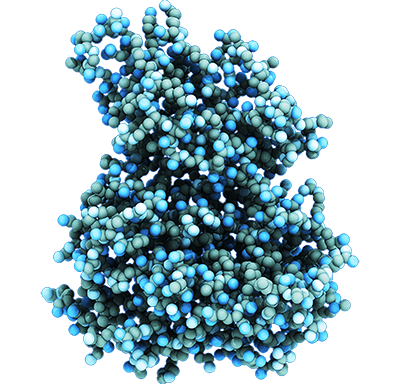
TYK2 (tyrosine kinase 2) is an important signal-transducing kinase implicated in immune-mediated diseases. We discovered and developed highly selective allosteric TYK2 inhibitors, including NDI-034858, which we evaluated in Phase 2 studies in moderate-to-severe psoriasis and psoriatic arthritis. Both preclinical and clinical data demonstrate the molecule’s best-in-class potential. In 2023, Takeda acquired our TYK2 program and is currently conducting multiple Phase 2/3 studies.
PATIENTS
ENROLLING
PHASE 1/2 CLINICAL TRIAL EVALUATING NDI-219216 IN PATIENTS
WITH ADVANCED SOLID TUMORS
In this trial we are evaluating the safety, tolerability, and preliminary anti-tumor activity of our WRN inhibitor, NDI-219216.
EXPANDED ACCESS STATEMENT
Expanded access, or compassionate use, is the use of an investigational medicine prior to regulatory approval and outside of a clinical trial. Nimbus does not currently have an expanded access program for any of our investigational products. We encourage people to speak with their physician about options that may be right for them including ongoing clinical trials and approved medicines.